Heating a hot tub takes time, especially in cold climates like New Brunswick. Understanding what affects heating speed - and how to manage it - makes winter ownership much more practical.
TL;DR
- Most hot tubs heat at about 2 to 3°C per hour
- Cold weather slows heating but good insulation reduces the impact
- Covers play a major role in heat retention
- Smart apps help maintain temperature and reduce wait times
- Planning ahead is key for consistent winter use
How Long Does It Take to Heat a Hot Tub?
In most cases, a hot tub heats at a rate of 2 to 3 degrees Celsius per hour.
This means:
From cold fill (around 10°C), it can take 12 to 20 hours to reach a typical soaking temperature of 38 to 40°C
From a slightly lowered temperature, it may take only a few hours
The exact timing depends on several factors, but this range gives a realistic expectation for most owners.
In New Brunswick winters, where outdoor temperatures can drop well below freezing, heating times tend to sit on the longer end of that range.
What Affects How Fast a Hot Tub Heats Up?
Heating speed is not controlled by one single factor. It is the result of how the entire system works together.
- Starting Water Temperature: The colder the water at the start, the longer it will take. Filling a tub in winter means starting much closer to freezing temperatures.
- Heater Power: Most modern hot tubs use heaters between 4 kW and 5.5 kW. Higher output helps, but efficiency still depends on insulation and heat retention.
- Outdoor Temperature: Cold air constantly pulls heat away from the water, especially during the initial heating phase.
- Wind Exposure: Wind increases heat loss significantly. Even a well-insulated spa will lose heat faster if exposed.
- Insulation and Design: This is where cold-climate systems like Arctic Spas make a difference. Better insulation and heat management reduce how much heat escapes during the process.
- Hot Tub Cover Quality: A proper cover can dramatically reduce heat loss while the tub is heating. Without it, heat escapes faster than it can be replaced.
Why Heating Takes Longer in New Brunswick Winters
Winter conditions in New Brunswick create a constant demand on your hot tub system.
Cold air, snow, and wind all contribute to heat loss. This means your heater is not just warming the water, it is also constantly compensating for heat escaping into the environment.
This is why heating time is not just about heater size.
It is about how well the system holds onto the heat it produces.
A well-designed spa with proper insulation and a high-quality cover will still heat efficiently, even when temperatures drop significantly.
Can You Heat a Hot Tub Faster?
There is no instant shortcut, but there are ways to make the process more efficient.
- Keep the Cover Closed: This is the most important step. Heat rises, and without a cover, it escapes immediately.
- Start with Warmer Water When Possible: If you are filling the tub, using warmer source water can reduce heating time.
- Reduce Heat Loss Around the Spa: Wind barriers, privacy panels, or strategic placement can make a noticeable difference.
- Maintain Consistent Temperature: Letting the water cool down too much between uses means longer reheating times.
In most cases, the fastest way to “heat” a hot tub is actually to avoid letting it cool down in the first place.
Is It Better to Leave Your Hot Tub On All the Time?
For most owners, especially in colder climates, the answer is yes.
Keeping your hot tub at a consistent temperature is usually more efficient than letting it cool down completely and reheating it each time.
This is because:
Reheating requires more energy than maintaining temperature
Insulated systems lose heat slowly when covered properly
The tub is always ready to use without long wait times
In New Brunswick, this approach also helps protect plumbing and components from freezing during extreme cold.
How Does the Arctic Spas App Help with Heating?
One of the more practical advantages of modern hot tubs is the ability to control them remotely.
The Arctic Spas app allows you to:
- Adjust temperature settings from your phone
- Increase heat before you plan to use the tub
- Monitor current water temperature in real time
- Manage energy use more intentionally
This changes how people use their hot tubs.
Instead of reacting, you can plan ahead.
For example, if you are coming home on a cold evening, you can increase the temperature in advance so the tub is ready when you step outside.
What Most People Don’t Expect About Heating Time
Many first-time buyers assume a hot tub heats quickly, similar to smaller appliances.
But a hot tub contains a large volume of water, often over 1,000 litres.
Heating that much water takes time, especially in winter.
The key is not speed, it is consistency.
Once the tub reaches temperature, maintaining it becomes much easier and more efficient than starting from cold again.
How Heating Performance Affects Everyday Use
Heating time directly influences how often people use their hot tubs.
If the tub is always ready, it becomes part of your routine.
If it takes too long to heat, it becomes something you have to plan around.
This is why insulation, covers, and smart controls matter so much.
They reduce friction and make the experience feel effortless.
New Brunswick Perspective
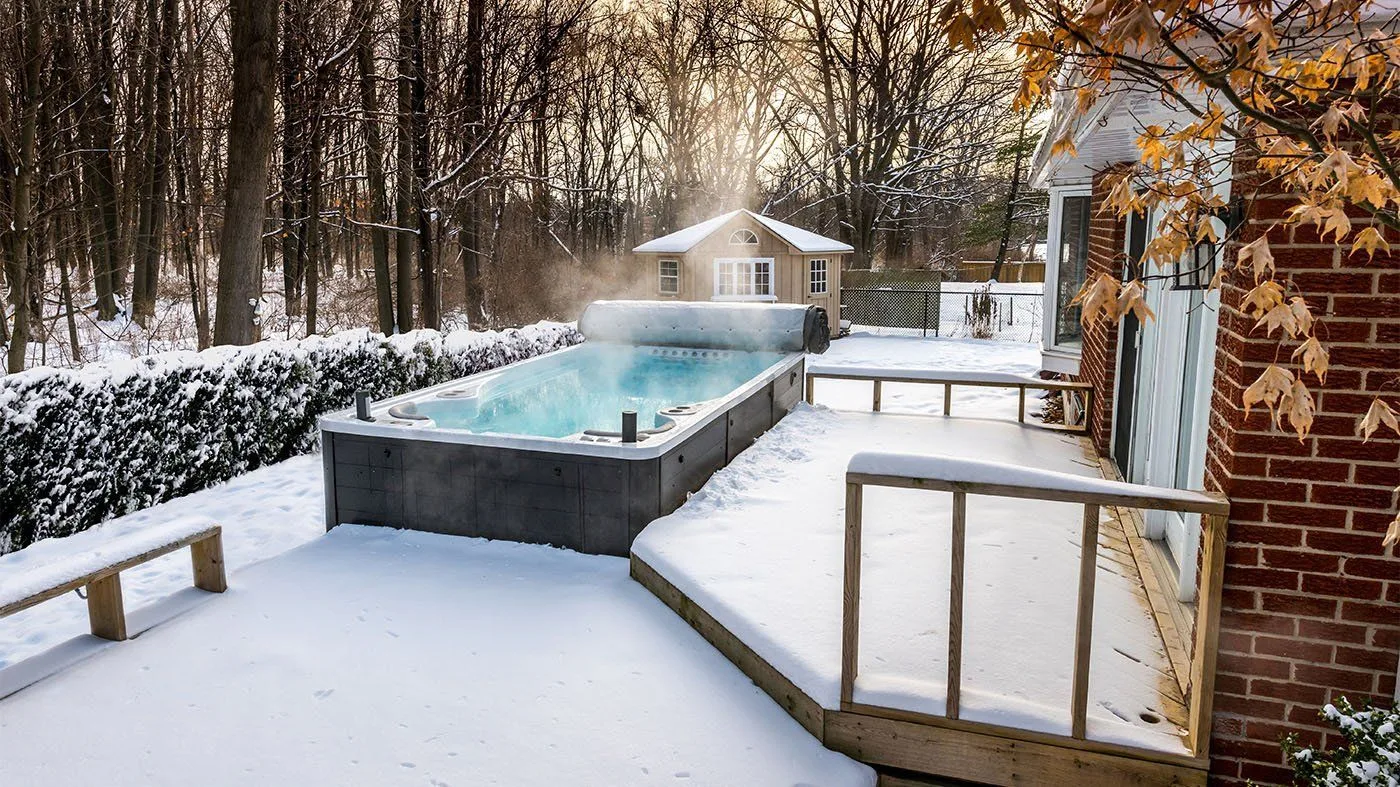
In New Brunswick, using a hot tub in winter often becomes a small ritual. Stepping outside into the cold, seeing the steam rise, and settling into warm water at the end of the day is a distinct experience. When the system works consistently - when the water is ready without waiting - it fits naturally into that rhythm.
Frequently Asked Questions

Flexible Payments on Any Arctic Spas Hot Tub
Take advantage of the most competitive financing rates through FinanceIt. Apply online in minutes and get a fast decision - no pressure, no commitment.
Visit a Poolboy Showroom in New Brunswick
Our team in Fredericton and Moncton can answer your questions, show you the full Arctic Spas lineup, and help you find the right fit for your home.