Hot Tubs for Families: How a Spa Creates Real Connection at Home

January 16, 2026

A hot tub can become a natural gathering place for families, offering time together without distractions. In New Brunswick, where seasons shape routines, it creates a consistent space for connection, relaxation, and shared moments.


TL;DR


  • Hot tubs create screen-free time for families
  • Encourage conversation and shared routines
  • Support relaxation for both adults and kids
  • Easy to use regularly, not just occasionally
  • Especially valuable during long New Brunswick winters


Can a Hot Tub Actually Bring Families Together?


Yes, often in ways people do not expect.


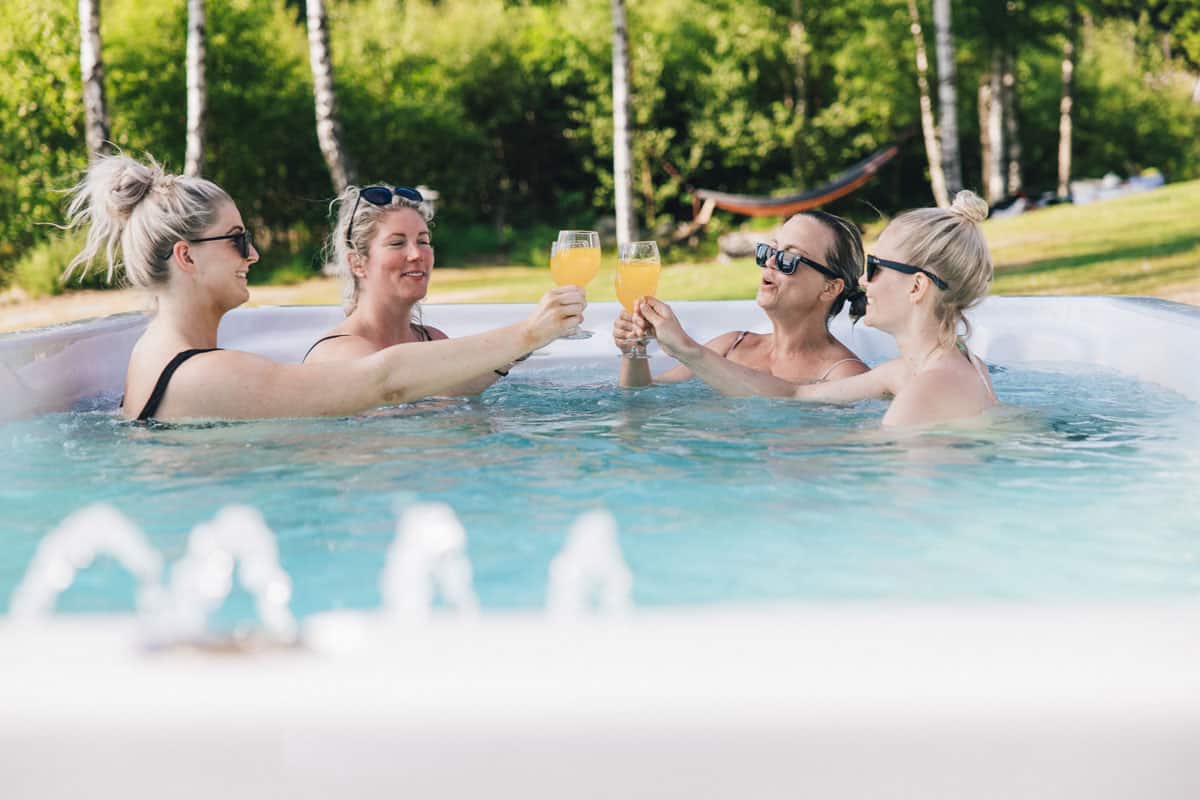
A hot tub creates a space that feels separate from the rest of the house. There are no screens, no background noise, and fewer distractions competing for attention.


That shift changes how people interact.


Conversations tend to happen more naturally. Time feels less structured. Even short sessions can feel meaningful because they are uninterrupted.


It is not something that needs to be planned. It simply becomes part of the rhythm of being at home.


Why Are Hot Tubs So Effective for Family Time?


The environment plays a big role.


Warm water helps people relax physically, which makes it easier to slow down mentally as well.


At the same time, the setting encourages presence.


In a hot tub, there is nothing else to focus on except the moment and the people you are with.


This combination creates:


  • More relaxed conversations
  • Less pressure to “do” something
  • A shared experience that feels easy


It is a different kind of interaction than watching a movie or sitting in separate rooms.


What Ages Benefit from a Family Hot Tub?


Hot tubs can work for a wide range of ages, with a few practical considerations.


Young Children


Shorter sessions at lower temperatures allow them to enjoy the experience safely.


Teenagers


It creates a space where conversation can happen more naturally, without feeling forced.


Adults


Provides relaxation while still being part of family time.


Because the experience is simple and flexible, it adapts easily to different stages of family life.


How Does a Hot Tub Fit Into Everyday Family Life?


One of the biggest advantages is how easily it fits into existing routines.


It does not require scheduling or preparation like many activities.


Families often use it:


  • After dinner
  • Before bed
  • On weekends or quieter evenings


These small, repeated moments build into something more consistent over time.


Instead of being a special occasion, it becomes something you return to regularly.


Why This Matters More in New Brunswick


In New Brunswick, time at home changes with the seasons.


Winter brings longer evenings, colder weather, and more time spent indoors.


A hot tub offers a reason to step outside and reconnect in a different way.


It creates:


  • A shared outdoor experience, even in winter
  • A break from indoor routines
  • A consistent activity when options feel limited


During colder months, this becomes especially valuable.


What Do Families Often Overlook at First?


Most people initially think of a hot tub as an individual feature.


Something for relaxation or personal use.


What they often discover is that it becomes shared.


It turns into:


  • A place to talk about the day
  • A way to unwind together
  • A consistent point of connection


This shift happens naturally, without needing to plan for it.


How Hot Tub Design Affects Family Use


The easier a hot tub is to use, the more likely it becomes part of family life.


Important factors include:


Seating Layout:


Open seating makes it easier for multiple people to sit comfortably.


Ease of Access


Simple entry and exit matter, especially for younger or older family members.


Temperature Control


Adjusting temperature easily helps accommodate different preferences.


Low Maintenance


If upkeep is simple, the tub gets used more often.


These details influence whether the hot tub becomes part of a routine or something used occasionally.


What Makes a Hot Tub a “Family Spa”?


It is not about specific features.


It is about how it is used.


A family spa is one that:


  • Fits naturally into daily life
  • Is easy to access and maintain
  • Encourages time together without effort


It becomes less about the product and more about the role it plays in the home.


Why Small Moments Add Up Over Time


The impact of a hot tub is rarely about one long session.


It is about small, repeated moments.


Ten or fifteen minutes after dinner. A quick soak before bed. A quiet conversation at the end of the day.


These moments build gradually.


Over time, they shape how families connect and spend time together.


Product & Lifestyle Consideration


In New Brunswick, where seasons influence how people spend their time, having a consistent space to gather matters.


A hot tub offers that space.


It does not depend on weather in the same way other activities do. It remains available, whether it is a cool summer evening or a snowy winter night.


That consistency allows it to become part of everyday life, not just something used occasionally.

arctic spas
March 3, 2026
Salt water hot tubs are often misunderstood when it comes to corrosion. In reality, properly designed systems like Arctic Spas operate at low salt levels and are built to prevent damage, making corrosion far more about maintenance than the system itself. TL;DR Salt water hot tubs do not inherently cause corrosion Water balance, not salt, is the main factor in damage Arctic Spas systems are designed for salt compatibility Pumps and components are built with corrosion-resistant materials Misconceptions often come from outdated or oversimplified information Do Salt Water Hot Tubs Cause Corrosion? No, not when they are properly designed and maintained. Salt water hot tubs use a small amount of salt to generate sanitizer, not to create a high-salinity environment like ocean water. In modern systems, the salt level is relatively low and controlled. Corrosion is not caused simply by the presence of salt. It happens when water chemistry is unbalanced or components are not designed for the system they are in . This distinction is where most confusion comes from. What Actually Causes Corrosion in a Hot Tub? Corrosion is a water chemistry issue, not a brand or system issue. The most common causes include: Low pH (Acidic Water): Water that is too acidic can break down metals and components over time. High Sanitizer Levels: Excess chlorine or bromine can become aggressive and damaging if not balanced. Poor Water Maintenance: Neglecting regular testing and adjustments allows conditions to drift into damaging ranges. Low-Quality Components: Systems not designed for their environment may be more vulnerable. These factors apply to all hot tubs, not just salt water systems. Are Salt Water Hot Tubs Harder on Equipment? This is a common concern, but it is based on outdated assumptions. Modern salt water hot tubs are engineered to work within a controlled environment. In systems like Arctic Spas: Salt levels are low and carefully managed Components are selected to handle those conditions The system is designed as a whole, not pieced together This means the presence of salt does not create unusual wear when everything is functioning properly. Do Hot Tub Pumps Rust or Corrode? Under normal conditions, no. Hot tub pumps are built with materials designed to resist corrosion. They are also housed inside the cabinet, protected from external weather exposure. When pump issues occur, they are typically related to: Age and normal wear Mechanical or electrical failure Water chemistry that has been out of balance for extended periods Corrosion is not a common failure point in properly maintained systems. Why Do Some Retailers Warn About Corrosion? These warnings often come from simplified or outdated explanations. In some cases, they are used to: Promote Alternative Designs: Different insulation or system designs are sometimes positioned as “safer,” even if the risk is overstated. Criticize Salt Systems: Older perceptions of salt systems being harsh on components still circulate, even though modern systems have evolved. C reate Uncertainty: Technical-sounding concerns can influence decisions, especially when buyers are unfamiliar with how the systems work. The key is understanding the full context rather than relying on isolated claims. How Are Arctic Spas Designed to Prevent Corrosion? Arctic Spas systems are built specifically for cold climates and year-round use, which includes managing moisture and internal conditions effectively. Key design elements include: Salt-Compatible Components: Materials are selected to handle the environment created by the salt water sanitizing system. Controlled Internal Environment: The cabinet design allows for airflow and heat management, reducing moisture buildup. Perimeter Insulation System: This helps maintain a stable internal temperature, which supports both efficiency and component longevity. These features work together to reduce the conditions that typically lead to corrosion. Does Climate Affect Corrosion Risk in New Brunswick? Climate does play a role, but not in the way most people think. Cold weather itself does not cause corrosion. However: Temperature swings can stress materials over time Moisture from snow and rain can affect poorly sealed systems Extended use during winter increases overall system demand A hot tub designed for these conditions, and maintained properly, handles these factors without issue. What Prevents Corrosion Long Term? Regardless of the system, a few consistent habits make the biggest difference: Keep water chemistry balanced Test and adjust pH regularly Maintain proper sanitizer levels Clean filters and ensure good circulation Address small issues early These steps are simple, but they have a significant impact on long-term performance. What Do Most Buyers Misunderstand? Many people assume that salt itself is the problem. In reality: Salt is part of a controlled system The environment inside the hot tub is carefully managed Corrosion is tied to imbalance, not the presence of salt This misunderstanding is where most of the concern comes from. How This Affects Everyday Ownership For most owners, corrosion is not something they encounter. What they notice instead is: Stable water conditions Predictable maintenance routines Consistent performance over time When the system is set up and maintained correctly, it becomes something you use without thinking about potential issues. Product & Lifestyle Consideration In New Brunswick, where hot tubs are used through long winters and changing seasons, reliability matters. A system that performs consistently, without unexpected issues, becomes part of your routine rather than something you have to manage closely. Over time, that reliability shapes the experience. It allows you to focus on using the hot tub, not worrying about how it is holding up.
arctic spas
February 23, 2026
More insulation does not always mean better performance in a hot tub. In cold climates like New Brunswick, systems that allow heat recovery and airflow can actually be more energy efficient and reliable over time. TL;DR Fully foamed hot tubs trap heat but waste recoverable energy Arctic Spas uses perimeter insulation to reuse equipment heat Better airflow helps prevent moisture buildup and component damage Serviceability is easier without full foam insulation In cold climates, heat management matters more than insulation volume What Is the Best Type of Hot Tub Insulation? The best type of hot tub insulation depends heavily on climate, usage, and system design. In general, there are two main approaches: Full foam insulation , where the entire cabinet is packed with dense foam Perimeter insulation , where the shell is insulated but the cabinet space is left open and insulated around the edges At first glance, full foam seems like the obvious winner. More insulation should mean less heat loss. But in real-world conditions, especially in cold regions like New Brunswick, the answer is not that simple. Why Doesn’t More Insulation Always Mean Better Efficiency? The assumption that more insulation equals better efficiency comes from how we think about homes. But a hot tub is not a house. It is an active system with pumps, heaters, and moving water, all of which generate heat as they operate. In a fully foamed hot tub: Heat generated by pumps is trapped in small pockets That heat cannot circulate back into the water effectively Excess heat is often lost instead of reused In contrast, a well-designed perimeter system allows that heat to move freely within the cabinet. Instead of being wasted, it is captured and redirected back into the water , reducing the amount of additional heating required. How Does Perimeter Insulation Work in Arctic Spas? Arctic Spas uses a perimeter insulation system specifically designed for cold climates. Rather than filling the entire cabinet with foam, the insulation is placed around the outer walls of the spa, creating a sealed, insulated air space inside. This design allows the hot tub to function more like a thermal chamber. Heat Recovery from Equipment Pumps and motors naturally produce heat while running. In this system, that heat is not lost. It contributes to maintaining water temperature. Warm Air Circulation The enclosed cabinet allows warm air to circulate around plumbing and components, helping prevent freezing and improving overall efficiency. Reduced Heat Loss Because the outer perimeter is insulated, heat is still retained effectively, even in sub-zero temperatures. The result is a system that uses its own byproducts to stay warm. Is Full Foam Insulation Less Efficient in Cold Climates? Full foam insulation is not inherently bad. It performs well in certain conditions, especially in milder climates. However, in colder environments, it can create limitations. Trapped Heat Cannot Be Reused Heat generated by internal components is isolated within foam pockets instead of contributing to water temperature. Potential for Moisture Issues If water leaks into the foam, it can be difficult to detect and even harder to dry out, reducing insulation performance over time. Limited Airflow Without airflow, components can experience more stress from trapped heat or fluctuating temperatures. This does not mean full foam systems fail, but it highlights why they are not always the most efficient option in colder regions. Does Perimeter Insulation Help Reduce Energy Costs? In many real-world cases, yes. By reusing heat that would otherwise be wasted, perimeter insulation reduces the amount of energy required to maintain water temperature. This becomes especially noticeable during long New Brunswick winters, where efficiency is tested over months, not days. Homeowners often notice: More stable water temperatures Less frequent heating cycles Lower long-term operating costs It is not just about insulation. It is about how the entire system manages heat. What About Maintenance and Repairs? This is one of the most overlooked differences between insulation types. In a fully foamed spa, plumbing lines are embedded in hardened foam. If a repair is needed, technicians must cut into that foam to access the issue. In a perimeter-insulated spa: Plumbing and components are accessible Repairs are faster and less invasive The system can be inspected more easily over time This does not directly affect energy efficiency, but it plays a major role in long-term ownership experience. How Does This Perform in New Brunswick Winters? New Brunswick winters are long, cold, and often unpredictable. Temperatures can stay below freezing for extended periods, and snow accumulation adds additional stress to outdoor systems. In these conditions, a hot tub must do more than just retain heat. It must: Maintain internal warmth consistently Protect plumbing and components from freezing Operate efficiently over extended cold periods Perimeter insulation systems are designed with this in mind, using both insulation and heat recovery to maintain performance. Why This Matters More Than Most Buyers Realize When people shop for a hot tub, they often focus on visible features like jets, lighting, and seating. Insulation is rarely the main focus, even though it directly impacts: Monthly operating costs Reliability in winter Long-term durability Understanding how insulation works helps you make a more informed decision, especially in a climate where performance is constantly tested. Comparing Full Foam vs Perimeter Insulation Full foam insulation and perimeter insulation both offer high heat retention, making them effective at maintaining temperature. However, they differ significantly in how they handle heat recovery. Full-foam insulation has low heat-recovery capability, whereas perimeter insulation is designed for high heat recovery, enabling more efficient heat reuse. In terms of airflow, full foam insulation allows minimal air movement, while perimeter insulation uses controlled circulation to improve overall system performance. Repair access is another key difference: full foam systems are more difficult to access and repair, whereas perimeter insulation systems are much easier to service. When it comes to performance in extreme cold, full foam insulation performs well, but perimeter insulation is specifically optimized for cold climates, giving it an advantage in harsher conditions. Overall, while both systems retain heat effectively, only perimeter insulation is designed to actively recover and reuse that heat. Seeing the Difference in Real Conditions The differences between insulation systems are not always obvious at first glance. They become noticeable over time, especially during winter. Things like how often the heater runs, how stable the temperature feels, and how the system responds after use all reflect how efficiently heat is being managed. Product & Lifestyle Consideration In a place like New Brunswick, a hot tub becomes part of how you experience winter. It is not just about stepping into warm water. It is about consistency, knowing it will be ready after a long day, even during the coldest weeks of the year. Systems that manage heat effectively tend to feel more reliable, more effortless, and easier to enjoy without constantly thinking about energy use or performance.