Preparing your hot tub for winter is essential in cold climates like New Brunswick. Proper setup and maintenance keeps your system running efficiently and protects it from the challenges that cold weather brings.
TL;DR
- Winter preparation prevents freezing damage and costly repairs
- A quality cover is critical for heat retention
- Consistent temperature is more efficient than reheating
- Water balance and circulation must be maintained
- Small setup details make a big difference over the season
Do You Need to Winterize a Hot Tub in New Brunswick?
In most cases, you do not “winterize” a hot tub in the traditional sense.
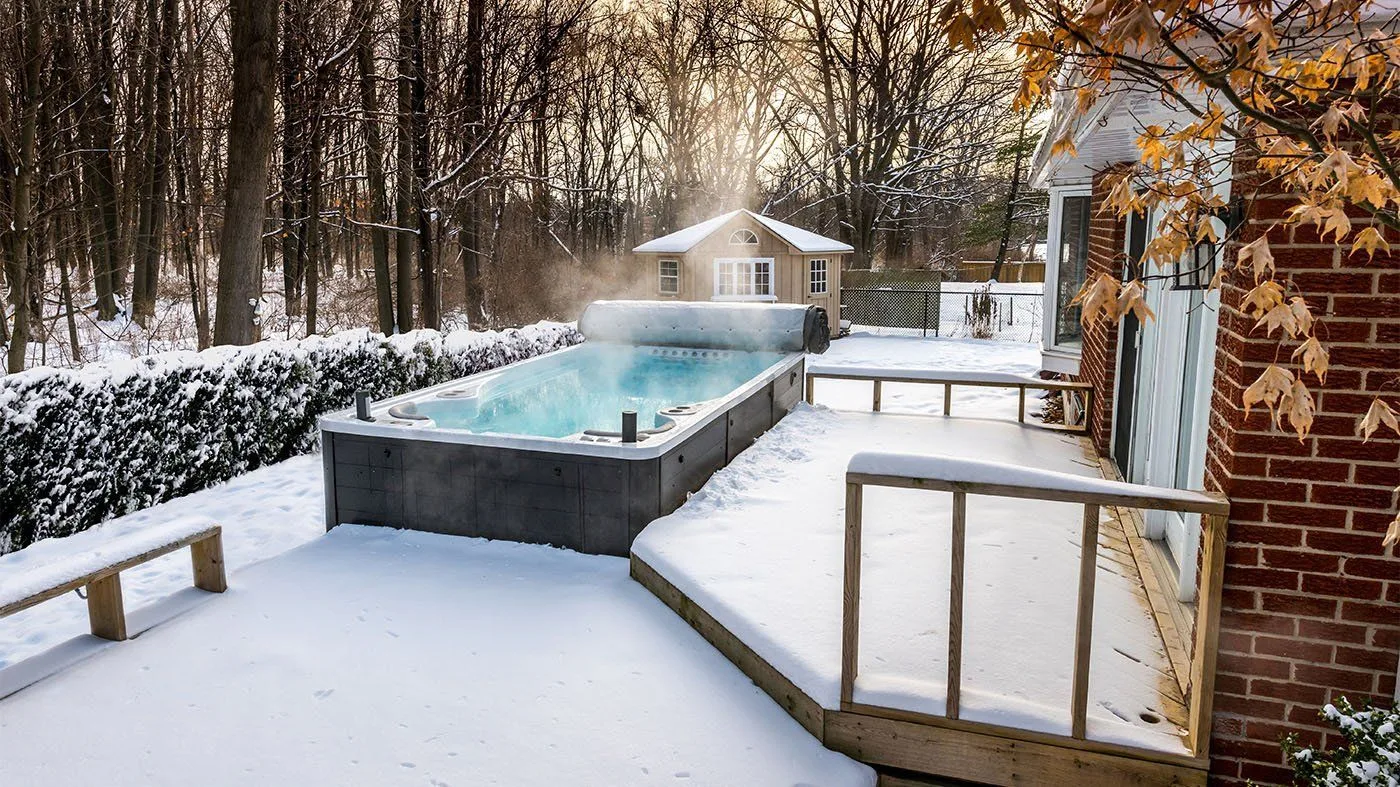
Instead of shutting it down, most owners in New Brunswick keep their hot tub running all winter.
This approach is more practical because:
Draining a hot tub in freezing temperatures increases the risk of leftover water freezing in the plumbing
Restarting in winter is more difficult and time-consuming
Maintaining temperature is more efficient than reheating from cold
Winter preparation is less about shutting down and more about getting the system ready for continuous use.
What Happens If a Hot Tub Isn’t Prepared for Winter?
Cold weather exposes weak points quickly.
Without proper preparation, you may run into:
- Heat loss leading to higher energy costs
- Frozen pipes if circulation is interrupted
- Reduced performance during extreme cold
- Increased wear on components
These issues often start small but can escalate quickly in freezing conditions.
How Do You Prepare a Hot Tub for Winter Use?
Getting your hot tub ready for winter involves a combination of maintenance, inspection, and small adjustments.
- 1. Check and Secure the Cover: Your cover is the primary barrier against heat loss.
Make sure:
It fits tightly with no gaps
It is not waterlogged or damaged
Seals and hinges are intact
A poor-quality or worn cover can significantly increase energy use.
- 2. Balance Your Water Properly: Clean, balanced water is essential for system performance.
Before winter:
- Adjust pH and alkalinity
- Sanitize the water
- Ensure filtration is working properly
Balanced water helps prevent buildup and keeps components functioning efficiently.
- 3. Inspect the Cabinet and Shell: Look for any visible signs of wear or damage.
Check:
- Cabinet panels are secure
- No cracks or damage in the shell
- Access panels are properly closed
This helps maintain insulation and protects internal components.
- 4. Maintain Consistent Temperature: Avoid letting your hot tub cool down too much.
Keeping a steady temperature:
- Reduces strain on the heater
- Prevents long reheating cycles
- Helps protect plumbing from freezing
In most cases, maintaining temperature is more efficient than turning the system off and on.
- 5. Ensure Proper Water Circulation: Continuous circulation is critical in winter.
Make sure:
- Pumps are operating correctly
- Filters are clean
- Water is moving consistently
Stagnant water is more vulnerable to freezing.
- 6. Clear Snow and Ice Regularly: Snow buildup can add weight and reduce efficiency.
Keep:
The cover clear of heavy snow
The surrounding area accessible
Pathways safe for regular use
This helps maintain both performance and usability.
Should You Turn Your Hot Tub Down in Winter?
It depends on how often you use it.
If you use your hot tub regularly, keeping it at a consistent temperature is usually best.
If usage is less frequent, you can lower the temperature slightly, but avoid dropping it too far.
Large temperature swings lead to:
- Longer heating times
- Increased energy use
- Greater strain on the system
Stability is key during colder months.
How Does Cold Weather Affect Energy Use?
Cold air increases heat loss, which means your system has to work harder to maintain temperature.
However, with proper setup:
Insulation reduces heat loss
A quality cover keeps warmth contained
Efficient systems manage heat more effectively
In New Brunswick, winter energy use is expected, but it can be controlled with the right approach.
What Are the Most Common Winter Mistakes?
A few common oversights can lead to avoidable problems.
- Letting the Water Cool Too Much: This increases reheating time and energy use.
- Using a Worn or Poor-Quality Cover: Heat escapes quickly, reducing efficiency.
- Neglecting Water Maintenance: Imbalanced water can lead to buildup and system strain.
- Ignoring Small Issues: Minor problems can become larger in freezing conditions.
Avoiding these mistakes helps keep your hot tub running smoothly throughout the season.
How Winter Use Changes the Hot Tub Experience
Winter is often when people use their hot tubs the most.
The contrast between cold air and warm water creates a different kind of experience.
It becomes:
A way to unwind after long days
A reason to step outside during colder months
A consistent part of your routine
Proper preparation ensures that experience remains easy and reliable.
Why Preparation Matters More Than You Expect
Most winter issues are preventable.
Taking the time to prepare your hot tub properly:
- Reduces the likelihood of repairs
- Keeps operating costs more predictable
- Ensures the system performs consistently
It is a small investment of time that makes a noticeable difference over the entire season.
New Brunswick Perspective
In New Brunswick, winter is not just a short season - it stretches across months and shapes daily life. A hot tub that is properly prepared becomes part of how people move through that time. It is there on cold evenings, after long days, or during quiet weekends, without needing extra effort to get it ready.
Frequently Asked Questions

Flexible Payments on Any Arctic Spas Hot Tub
Take advantage of the most competitive financing rates through FinanceIt. Apply online in minutes and get a fast decision - no pressure, no commitment.
Visit a Poolboy Showroom in New Brunswick
Our team in Fredericton and Moncton can answer your questions, show you the full Arctic Spas lineup, and help you find the right fit for your home.