Two families on the same street can own the same hot tub and see noticeably different electricity bills. That gap is not mysterious — it comes down to a short list of factors, some baked in at purchase and some entirely in your control. Rather than quote numbers that depend on your rate, your winter and your habits, here is the honest ranking of what actually moves the needle in a New Brunswick heating season.
TL;DR
- Heating water against winter air dominates a hot tub's energy use — everything that slows heat loss pays for itself.
- The cover is the single most controllable factor: a waterlogged or ill-fitting cover quietly inflates every bill.
- Insulation architecture is decided the day you buy — it is the main reason winter-engineered tubs cost less to run here.
- Temperature setbacks, wind shelter and filtration scheduling are free or cheap adjustments with real effect.
- Habits matter less than people fear: soaking more does not change the bill much — the tub is hot anyway.
Where the Energy Actually Goes
A hot tub's job in January is to hold roughly 1,200 to 1,500 litres of water about sixty degrees warmer than the air around it, around the clock. Almost all of the energy goes to replacing heat that escapes — through the cover, the shell, the cabinet and the plumbing. Jets and lights are rounding errors by comparison. That single fact explains every line of advice that follows: winter cost control is heat-loss control.
Factor 1: The Cover (Check It First)
Heat rises, so the cover carries the biggest share of the insulation job. Three things degrade it: waterlogging (foam cores absorb moisture over the years and lose insulating value — if your cover has gotten heavy, it has gotten expensive), poor fit (gaps at the fold or skirt leak heat continuously), and age-cracked seals. Replacing a tired cover is the single most cost-effective energy upgrade a hot tub owner can make in this climate — and it is why we talk about covers so much in the showroom.
Factor 2: Insulation Architecture (Decided at Purchase)
How a tub manages heat below the waterline is designed in, not adjusted later: how the shell and cabinet are insulated, whether the floor is sealed and insulated, whether pump waste heat is recovered into the water or vented outside, and whether plumbing runs inside the heated envelope. This is the heart of why cold-climate engineering matters more in New Brunswick than anywhere the brochure photos were taken. Our insulation guides dig into the approaches; the showroom is where you can see them opened up in person.
Factor 3: Siting, Wind and Shelter
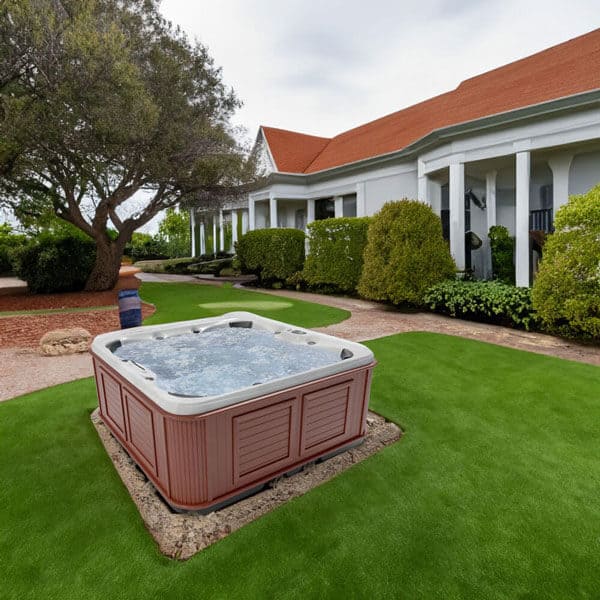
Wind strips heat from a cover and cabinet the way it strips it from your face. A tub tucked near the house, a fence line or a windbreak runs measurably easier than the same tub exposed on an open deck. Northern and coastal properties feel this most. Siting is free to get right at installation and expensive to fix later — one more reason the pre-delivery site review earns its keep.
Factor 4: Settings and Habits
The free stuff: a modest temperature setback when you will not soak for a few days, filtration cycles scheduled sensibly rather than maximally, economy modes when travelling, and app monitoring so a problem never runs undetected for a week. What barely matters: how often you actually soak. The water is being kept hot regardless — so use the thing. Owners who soak nightly and owners who soak weekly pay far more similar bills than either group expects.
The Best Way to Compare: See It in Person
Energy claims are easy to print and hard to verify from a couch. In the showroom we can open a cabinet and show you exactly where the insulation is, how the floor is built, what the cover weighs and how the plumbing is routed — on filled, running tubs. Bring any brand's brochure along; comparing claims against physical construction is a conversation we enjoy, and you will leave knowing what questions to ask anyone, including us.
New Brunswick Perspective
For actual dollar figures on real installs, our running-costs article shares what owners report — but the ranking above is the durable truth: cover condition and insulation architecture set your baseline, siting and settings tune it, and usage barely moves it. If your winter bills jumped and the tub is a few years old, weigh the cover before blaming the tub.
Frequently Asked Questions

Flexible Payments on Any Arctic Spas Hot Tub
Take advantage of the most competitive financing rates through FinanceIt. Apply online in minutes and get a fast decision - no pressure, no commitment.
Visit a Poolboy Showroom in New Brunswick
Our team in Fredericton and Moncton can answer your questions, show you the full Arctic Spas lineup, and help you find the right fit for your home.