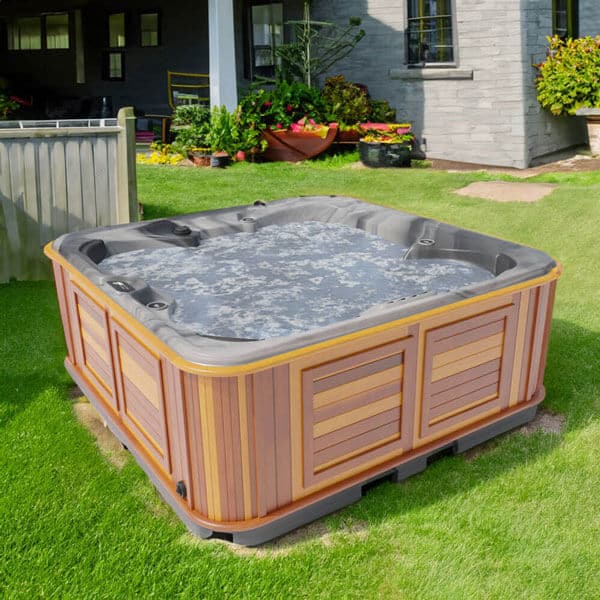
A layer of foam on your hot tub water is one of the more visually alarming water quality problems - and one of the easiest to understand and fix. Foam is caused by surface-active agents in the water that stabilize air bubbles from the jets. Identifying the source and removing it typically clears the foam within hours.
TL;DR
- Foam is caused by surfactants in the water - soaps, detergents, lotions, and organic waste
- The most common sources are residue from swimwear, personal care products, and low sanitizer
- Anti-foam products suppress foam temporarily but do not address the root cause
- Shocking the water and rinsing off before soaking resolve most foam problems
- Persistent foam despite correct chemistry often indicates a water change is needed
What Causes Hot Tub Foam
Foam forms when surfactants - compounds that reduce surface tension - are present in the water and jets introduce air. Surfactants create a stable interface between water and air that allows bubbles to persist rather than breaking immediately.
The most common surfactant sources in hot tub water: soap or detergent residue from swimwear that was not thoroughly rinsed, personal care products including body wash, shampoo, conditioner, lotion, and sunscreen, and accumulated organic compounds from bathers in water with low sanitizer.
Swimwear Detergent: The Most Common Cause
Most swimwear is laundered with detergent and fabric softener. Even after rinsing in a washing machine, trace detergent remains in the fabric fibers. When the swimwear is worn in a hot tub, the warm water and agitation from jets extract this residue into the spa water.
The fix is simple: rinse swimwear thoroughly by hand with clean water before entering the spa, or keep a dedicated spa swimwear set that is only rinsed - never laundered with detergent. This single practice eliminates the most common source of hot tub foam.
Personal Care Products
Body lotions, sunscreens, deodorants, hair products, and cosmetics all contain surfactants or oils that cause foaming. Showering before using the spa removes most of these compounds from the skin surface.
This practice - showering before soaking - is also beneficial for water quality more broadly, since it reduces the organic load that would otherwise deplete sanitizer. Many spa etiquette guidelines recommend it for both foam prevention and sanitizer efficiency.
Low Sanitizer and Organic Build-Up
When sanitizer levels fall, organic compounds from bathers accumulate in the water. These compounds can behave as surfactants and cause foaming even when no external soap or detergent has been introduced.
If foam appears and you cannot identify a source from swimwear or personal care products, test your sanitizer level. Low readings indicate organic build-up that a shock treatment will address.
Anti-Foam Products: Temporary Relief
Anti-foam agents suppress foam quickly - often within seconds of addition. They are useful for eliminating foam during a soak so the spa remains usable, but they address only the symptom, not the cause.
Used repeatedly without addressing the source of surfactants, anti-foam products accumulate in the water and eventually contribute to water quality problems themselves. Use them occasionally for immediate relief, but also identify and address the source.
Shocking After Foam Problems
After identifying and reducing the source of surfactants, shock the water with a non-chlorine oxidizer to break down accumulated organic compounds. Run the filter continuously for several hours after shocking. In most cases, this clears foam within 24 hours.
If the foam returns after shocking and source control, the water may have accumulated enough surfactant compounds that a water change is the most effective solution.
When Foam Means a Water Change Is Needed
Persistent foam despite correct chemistry, shocking, and source control indicates that surfactant compounds have accumulated to a level that is difficult to treat chemically. Fresh water does not have this background level of surfactants and will not foam under normal conditions.
A drain and refill, combined with a plumbing flush to clear the lines, starts the water fresh with no surfactant background level. After refilling and establishing chemistry, foam will not recur as long as the source inputs are managed.
Prevention Habits That Eliminate Foam
The most effective foam prevention: rinse swimwear before use, shower before soaking, maintain adequate sanitizer levels with weekly shock treatment, and perform regular drain and refill cycles. These practices keep surfactant and organic compound levels low enough that foam does not develop under normal conditions.
New Brunswick Perspective
Hot tub foam often generates alarm out of proportion to the actual problem. In almost every case, the cause is benign - soap from a swimsuit or lotion from a bather - and the fix is simple. The useful thing foam does is serve as an early indicator of water condition: if foam appears frequently, it is a sign that source inputs need to be managed and that a water change may be approaching.
Frequently Asked Questions

Flexible Payments on Any Arctic Spas Hot Tub
Take advantage of the most competitive financing rates through FinanceIt. Apply online in minutes and get a fast decision - no pressure, no commitment.
Visit a Poolboy Showroom in New Brunswick
Our team in Fredericton and Moncton can answer your questions, show you the full Arctic Spas lineup, and help you find the right fit for your home.