A hot tub is the functional centre of a backyard spa retreat, but the space around it determines how much you actually use it and how good it feels to be there. With some deliberate planning, a New Brunswick backyard can become the private wellness space that replaces expensive spa memberships and weekends away.
TL;DR
- A spa retreat starts with the right hot tub placement - privacy, views, and convenience all matter
- Screening elements like fencing, plants, and pergolas create the enclosure that makes a space feel like a retreat
- Lighting design transforms evening use from functional to atmospheric
- Thoughtful flooring choices around the spa improve safety and comfort underfoot
- The best retreats are built gradually - start with the spa, add elements over time
Starting with the Right Placement
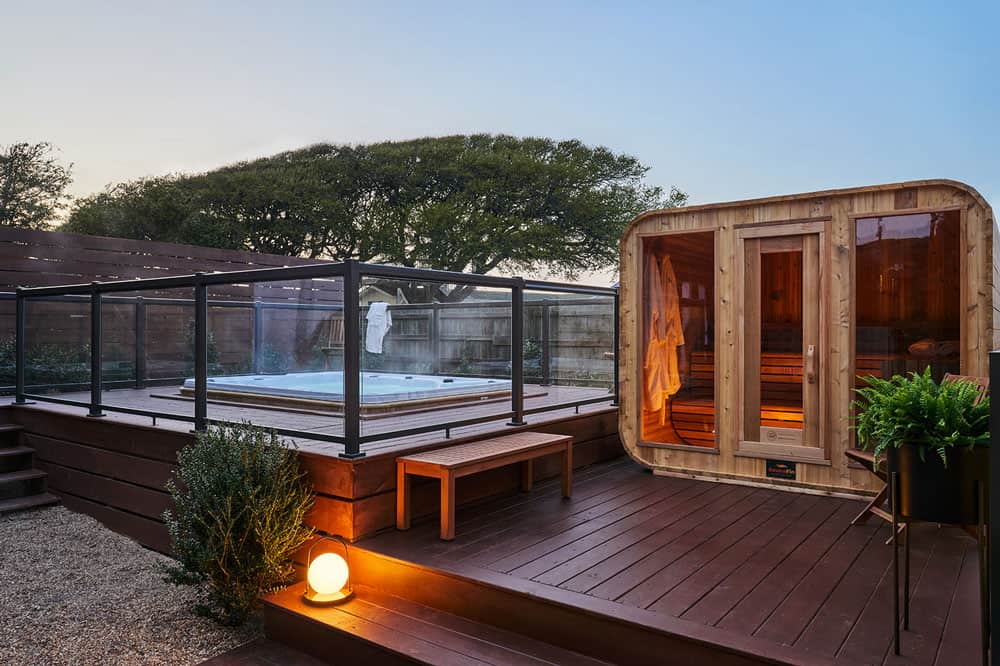
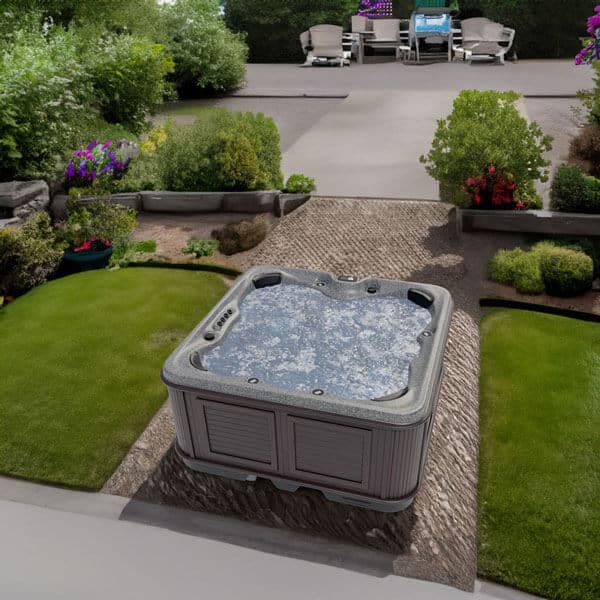
Where you place the hot tub determines everything else about the retreat. The best placement balances several factors: proximity to the house for easy year-round access, a view from inside the spa that you want to look at, adequate privacy from neighbours and the street, and structural requirements for the base.
In New Brunswick, winter access is particularly important. A spa placed 30 seconds from the back door is used far more often in January than one that requires a 90-second walk across an exposed yard in -15C temperatures. Plan for winter as your primary use season.
Creating Privacy and Enclosure
A spa that feels exposed does not feel like a retreat - it feels like a fishbowl. Privacy screening transforms the experience. Options range from permanent cedar or composite fencing to planted evergreen screens, pergola structures with lattice panels, and strategic placement of outdoor furniture.
In New Brunswick, planted privacy screens that include evergreen species (cedar, spruce, arborvitae) maintain their screening function through winter when you are most likely to be using the spa.
The goal is not total enclosure but the sense of being in a defined space that belongs to you.
Flooring and Surfaces Around the Spa
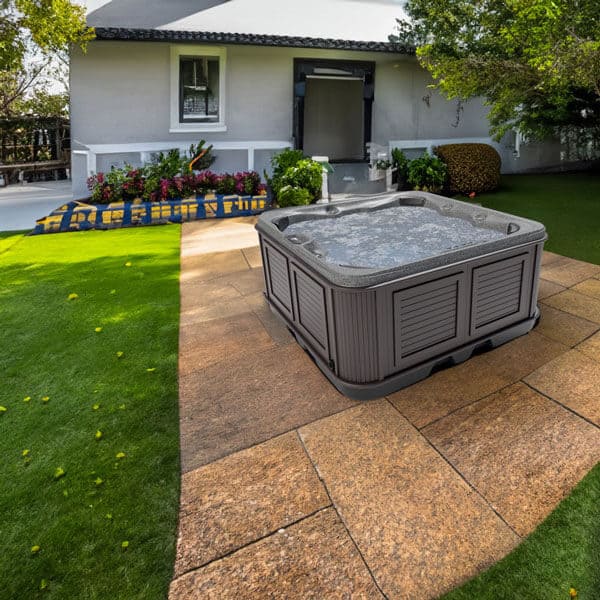
The surface immediately surrounding the hot tub affects safety, comfort, and the overall feel of the space. Options include composite decking, natural stone, poured concrete with texture, rubber pavers, and natural wood decking.
For year-round use in New Brunswick, drainage and non-slip performance are critical. Water from a hot tub entrance and exit freezes instantly on smooth surfaces in winter. Textured materials, drainage slopes away from the spa, and in some cases, in-floor radiant heat under the deck surface all address this practically.
Lighting Design for Evening Use
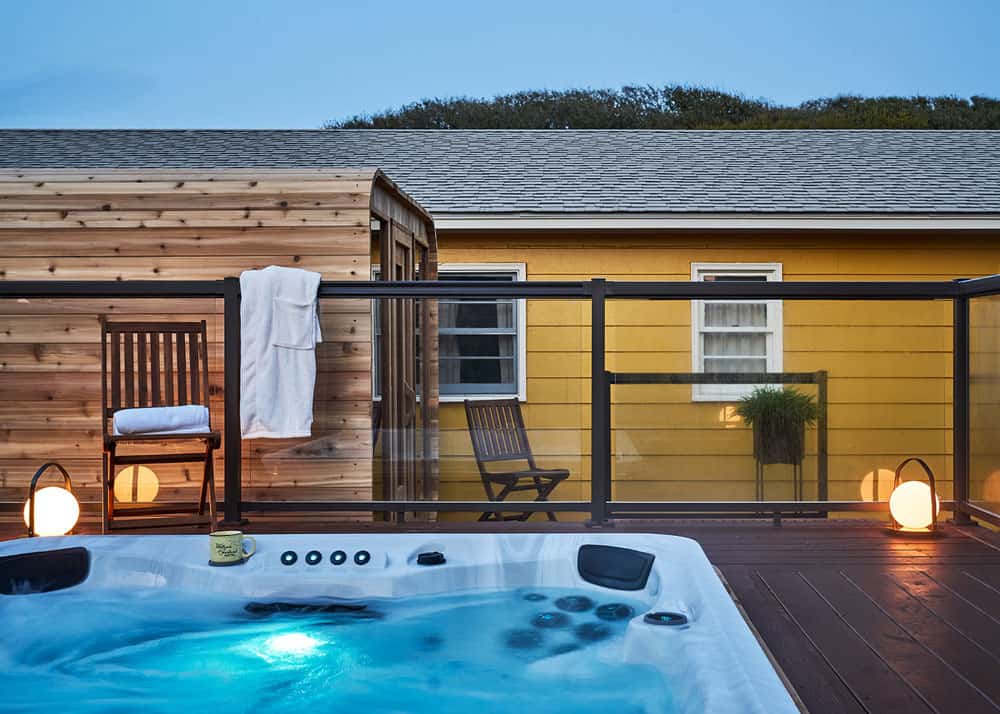
Most hot tub use happens in the evening - which means lighting design is as important as any daytime aesthetic choice. Good spa retreat lighting serves multiple purposes: safety for nighttime movement around the space, ambient light that sets a mood, and functional light for chemistry testing and spa maintenance.
Low-voltage path lighting, in-deck or in-step recessed lights, pergola string lights, and wall-mounted fixtures at appropriate heights create layers of light that work together without being overpowering.
Avoid high-intensity floodlighting aimed at the spa - it creates glare and destroys the atmospheric quality that makes an evening soak enjoyable.
Shade and Weather Protection
Even in New Brunswick, summer afternoons can make an uncovered outdoor spa uncomfortable - and rain during a soak is less pleasant than it sounds. Pergolas, gazebos, and shade sails provide weather protection while adding architectural definition to the space.
For year-round New Brunswick use, a pergola structure that can support a polycarbonate roof panel addition is particularly useful - it creates a covered outdoor space that reduces snow accumulation around the spa entry and provides a sheltered environment for cold-weather soaking without full enclosure.
Sound, Scent, and Atmosphere
The sensory experience of a spa retreat extends beyond what you see. Weatherproof outdoor speakers integrated into the pergola or fence make music a consistent part of the experience. A small water feature nearby adds ambient sound. Planted herbs or flowering plants in raised beds adjacent to the spa add seasonal fragrance.
These are additions to build over time - they are not prerequisites for enjoying the spa. But as the retreat evolves, they contribute to a space that is genuinely restorative rather than simply a place to have a hot tub.
Practical Storage and Convenience
A spa retreat that requires trips inside for towels, water bottles, and chemical supplies is less enjoyable than one where everything is immediately at hand. A weather-resistant outdoor storage cabinet near the spa holds towels, a cover lifter stores and positions the cover conveniently, and a dedicated outdoor faucet near the spa makes rinsing off and topping up water simple.
Hooks or racks for wet towels and a simple bench for removing footwear before entering the spa are small additions that consistently improve the experience of daily use.
Building the Retreat Over Time
The best backyard spa retreats are rarely installed in a single project. The spa itself goes in first - placed correctly, on a proper base, with good access from the house. Then privacy screening is added. Then lighting. Then a pergola. Then flooring.
This approach spreads the investment, allows you to learn how you actually use the space before committing to permanent elements, and results in a retreat that has been thoughtfully refined rather than designed abstractly before first use.
New Brunswick Perspective
At Poolboy, we have seen hundreds of backyard spa installations over the years, and the pattern is consistent: the owners who are happiest with their space are those who started with a quality spa placed correctly and built the retreat around it over several seasons. The spa is the investment that determines what is possible - everything else is the decoration.
Frequently Asked Questions

Flexible Payments on Any Arctic Spas Hot Tub
Take advantage of the most competitive financing rates through FinanceIt. Apply online in minutes and get a fast decision - no pressure, no commitment.
Visit a Poolboy Showroom in New Brunswick
Our team in Fredericton and Moncton can answer your questions, show you the full Arctic Spas lineup, and help you find the right fit for your home.