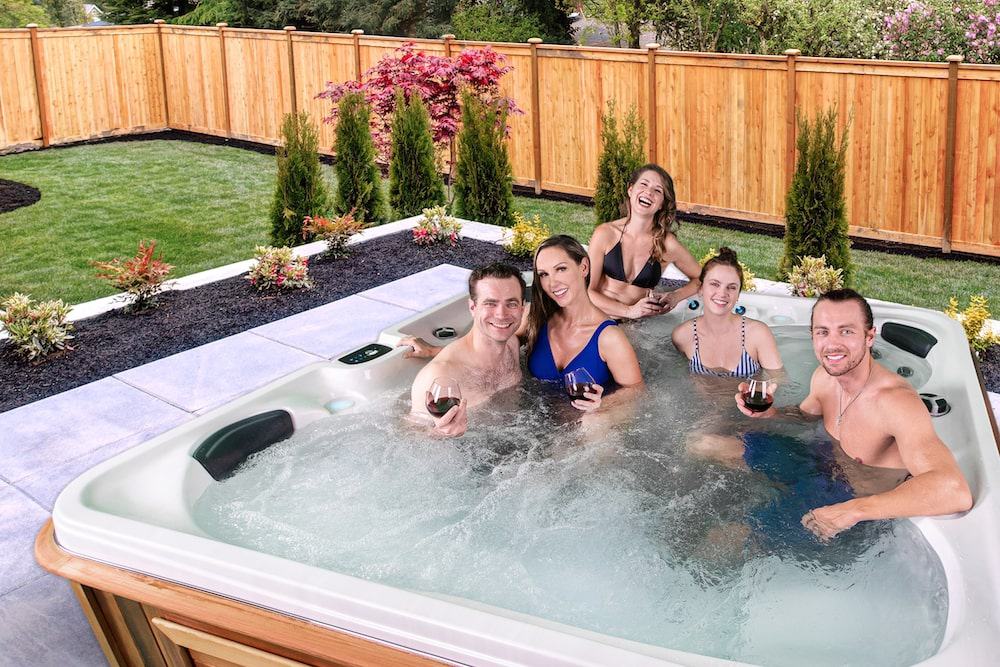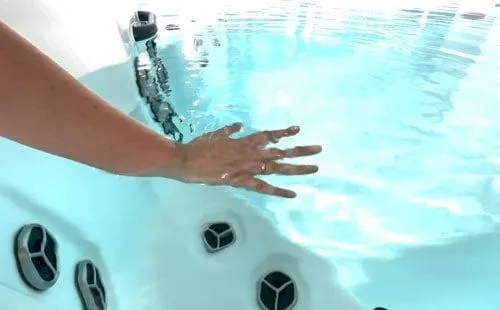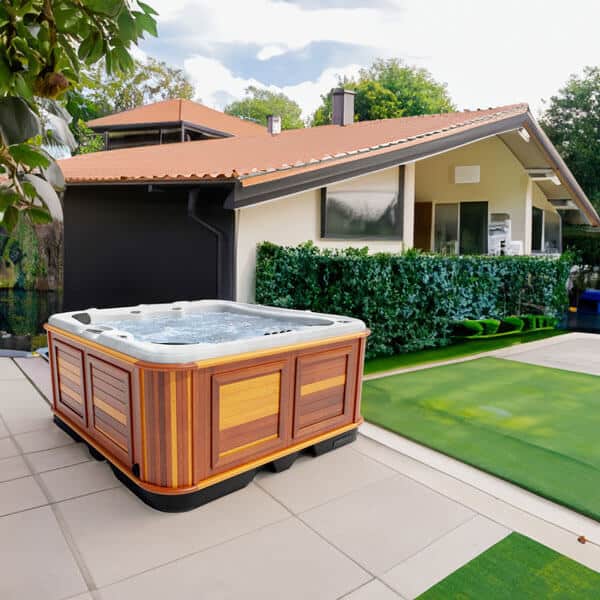
For families who use their hot tub frequently, reducing unnecessary chemical exposure is a sensible goal. Salt water systems don’t eliminate chlorine - but they do change how and when the body is exposed to it in ways that matter for daily use.
TL;DR
- Salt water systems produce chlorine continuously at lower levels than manual dosing spikes
- Lower chloramine formation reduces skin, eye, and respiratory exposure
- Children and those with sensitivities notice the difference most
- Proper bather habits further reduce chemical load in the water
- A salt water spa is a thoughtful choice for households that use their hot tub regularly as a family
Salt Concentration and Child Safety
In a traditionally maintained hot tub, chlorine is added in doses. Those doses create temporary spikes in chlorine concentration - the window when chemical exposure is highest.
A salt water system generates chlorine continuously at a low, steady rate. The concentration stays within a narrower range, meaning exposure during a soak is both lower on average and more predictable.
This matters most for households where multiple people use the tub regularly, where children are involved, or where any family member has skin sensitivities or respiratory concerns.
Eye and Skin Sensitivity in Children
The chemical exposure that most affects bathers is not from chlorine directly - it is from chloramines, the byproducts formed when chlorine reacts with nitrogen compounds from sweat, oils, and body care products.
Chloramines irritate the eyes, skin, and respiratory system. They’re responsible for the characteristic pool smell, red eyes, and the dry-skin effect that makes some people avoid chlorinated water.
Salt water systems produce fewer chloramines because their steadier chlorine output breaks down organic compounds more efficiently before chloramine formation can accelerate.
Temperature Guidelines for Kids
Children’s bodies are still developing, their skin is more permeable than adult skin, and they typically spend more time in the water. They are also less likely to shower beforehand, increasing the organic load they bring into the water.
For all these reasons, the reduction in peak chlorine and chloramine exposure in a salt water system is particularly meaningful for households with children as regular users. Lower chemical concentration doesn’t mean less sanitized - the water remains safe. It means the exposure profile is gentler.
Comparing Safety to Chlorine Systems
The family’s behaviour in and around the tub significantly affects the chemical environment:
- Shower before entering: Rinsing off body oils, sunscreen, and sweat dramatically reduces the organic compounds that form chloramines. Even a 60-second rinse makes a measurable difference.
- Use the spa in moderate-length sessions: For children, 15 to 20 minutes is a reasonable session length.
- Avoid soaking with makeup or heavy skincare products: These compound the organic load and are hard on water chemistry.
- Rinse off after: Removing residual salt and chlorine from skin after exiting is good practice for everyone.
Chemical Exposure Concerns
Hot tub use during pregnancy is a topic where temperature is the primary concern, not chemistry. Core body temperature elevation above 102°F (38.9°C) for extended periods carries risks during the first trimester. This is true regardless of sanitizer system.
The reduced chloramine exposure in salt water is a secondary consideration for pregnant bathers who have medical clearance to use a spa. Always consult a healthcare provider for individual guidance on pregnancy and hot tub use.
Supervision and Safe Use Practices
Beyond the chemistry benefits, salt water consistently scores higher on perceived water quality among families who have experienced both systems.
The water feels softer, there is less chemical smell, and the overall soaking experience feels more natural. Families report that children are more eager to use a salt water spa, that the post-soak skin-dryness complaints are fewer, and that the routine chemical additions they used to manage in a traditional tub are essentially gone.
Age Recommendations for Hot Tub Use
Reducing chemical exposure isn’t just about what’s in the water - it’s also about what’s in your home.
Traditional chlorine maintenance involves storing chlorine products that are corrosive and reactive. A salt water system reduces the chlorine products you keep on hand to essentially nothing for routine use. Your maintenance cabinet contains pH adjuster, alkalinity products, non-chlorine shock, and salt - none of which require the same careful storage as concentrated chlorine products.
For families with curious children, fewer hazardous chemicals stored in the home is a straightforward benefit.
Making the Right Choice for Your Family
The decision to choose a salt water hot tub for a family setting comes down to a few clear values: comfort, simplicity, and confidence in the water environment you’re creating.
Salt water doesn’t eliminate chemistry, but it manages it more automatically and at levels that are gentler for all users - especially the most sensitive ones in the household.
For a family that plans to use their hot tub as a shared experience through the New Brunswick seasons, a purpose-built salt water Arctic Spas model is one of the most considered choices you can make.
New Brunswick Perspective
In New Brunswick, where a hot tub often becomes the default family gathering point on cold evenings, the water quality isn’t just a comfort issue - it’s part of the family experience. Parents who’ve spent years managing traditional chlorine are often surprised by how dramatically different a salt water spa feels: the lack of smell, the softer water, the absence of the post-soak dryness their kids used to complain about.
Frequently Asked Questions

Flexible Payments on Any Arctic Spas Hot Tub
Take advantage of the most competitive financing rates through FinanceIt. Apply online in minutes and get a fast decision - no pressure, no commitment.
Visit a Poolboy Showroom in New Brunswick
Our team in Fredericton and Moncton can answer your questions, show you the full Arctic Spas lineup, and help you find the right fit for your home.